Introduction
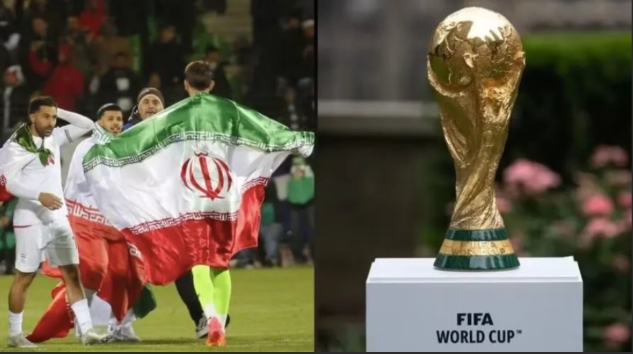
The 2026 FIFA World Cup will be the biggest yet, featuring 48 teams and taking place in the United States, Canada, and Mexico. However, growing political tensions between Iran and the US have raised questions about whether Iran will take part.
Iran had qualified for the tournament and was scheduled to play some group-stage matches in the US. But recent military conflicts and diplomatic disputes have put their participation in question.
This article covers Iran's qualification, the political tensions at play, FIFA’s response, possible outcomes, and what these issues might mean for the 2026 World Cup.
Iran’s Road to the 2026 FIFA World Cup
Iran’s national team, Team Melli, qualified through the Asian Football Confederation (AFC) rounds. This will be their seventh time at the World Cup and their fourth in a row.
Iran has long been one of Asia’s top football teams. The squad features several talented players who compete in major European leagues.
Some of the key Iranian players expected to participate include:
- Mehdi Taremi – A prolific striker known for his finishing ability.
- Sardar Azmoun – A technically skilled forward with experience in European football.
- Alireza Jahanbakhsh – An experienced winger who has played in top European leagues.
Iran was placed in Group G, where they are scheduled to play against Belgium, Egypt, and New Zealand.
Even though Iran qualified, political events have made their path to the tournament more complicated.
Rising Political Tensions Between Iran and the United States
Most of the uncertainty around Iran’s participation comes from mounting tensions with the United States. Recent military clashes and diplomatic disputes have made things unstable. They say that military strikes and wider regional conflict have made relations between the two countries even more tense. These events have directly affected international sports involving the two countries.
Because the United States is one of the hosts, Iran’s matches were scheduled to take place there. This has raised several concerns:
- Security risks for Iranian players and staff
- Travel restrictions or visa issues
- Political pressure from governments
- Safety concern
All these factors have made Iran’s participation a complex issue that goes beyond football.
Statements From Political Leaders and Football Authorities
Political leaders have commented on the situation as well.
Some U.S. officials have raised safety concerns about Iran taking part. On the other hand, Iranian officials say that politics should not interfere with international sports. FIFA has emphasized that football should remain separate from politics. The organization often presents the World Cup as a way to unite nations.
Still, due to the current conflict, FIFA is keeping a close eye on the situation about its position on the 2026 World Cup.
Iranian officials have said that, given the current situation, taking part in the tournament may not be possible.
According to reports, Iran’s sports minister said the country might pull out of the tournament because of security concerns and political tensions.
The president of the Iranian Football Federation also said he was not sure if the team could travel safely to the United States.
These statements highlight how serious the situation is and why Iran’s participation continues to be uncertain.
FIFA’s Role and Possible Solutions
FIFA faces a challenging situation and must balance several competing factors to ensure the safety of players and fans:
- Maintaining political neutrality
- Upholding the integrity of the tournament
In the past, FIFA has rarely removed teams for political reasons, except in extreme circumstances. However, if Iran withdraws or cannot participate, FIFA may need to consider other options.
Possible scenarios include:
1. Replacement by another team
If Iran withdraws, FIFA could replace them with another Asian team.
2. Group restructuring
If no replacement team is found, FIFA could adjust the group format.
3. Diplomatic deliberations
FIFA could also work with governments to secure travel permissions and safety guarantees for Iran’s team.
Travel and Visa Challenges
A major concern is whether Iran’s team and fans will be able to enter the United States.
Some reports suggest that travel restrictions on Iranian citizens could make it harder for fans and officials to attend the World Cup. Generally, athletes and team officials get special exemptions for international sports events, but political tensions could still cause problems.
These include:
- Delays in visa approvals
- Increased security procedures
- Limited travel for Iranian supporters
If Iranian fans are unable to attend, these issues could impact the atmosphere of the tournament.
Impact on the 2026 World Cup
If Iran does not take part, it would have several effects on the tournament.
1. Sporting Impact: Iran is one of Asia’s strongest football teams. If they are absent, the tournament could lose some of the tournament's competitive balance.ance.
2. Political Symbolism: The World Cup is known as a global event that brings people together. If Iran withdraws for political reasons, it would highlight how much geopolitics now affects international sports.
3. Fan Reaction: Iranian fans around the world are passionate about their team. Many in the diaspora, especially in cities like Los Angeles, were looking forward to seeing their team play.
If Iran withdraws, millions of fans may be left disappointed.
Historical Examples of Politics Affecting the World Cup
This would not be the first time that politics has affected football tournaments. There have been several past cases where political matters have affected sports.
Examples include:
- Yugoslavia banned from Euro 1992 due to war
- Russia suspended from international competitions after the Ukraine invasion
- Iran previously suspended briefly by FIFA in 2006 due to government interference
These examples show that football often reflects global political realities.
Could Iran Still Play in the Tournament?
Despite all the uncertainty, Iran could still take part. A few conditions would have to be met:
- Security guarantees from host nations
- Diplomatic agreements allowing travel
- FIFA confirmation of participation.
If these conditions are met, Iran could still take part in the tournament as planned. But until an official decision is made, the situation will remain uncertain.
Conclusion
It is still unclear whether Iran will compete in the 2026 FIFA World Cup. The team qualified on merit, but political tensions with the United States have created a lot of uncertainty.
Security concerns, diplomatic disputes, and travel restrictions could all affect the final decision. FIFA will likely keep a close watch and try to keep politics out of football. In the end, fans and football officials hope the World Cup will bring people together, not divide them. Whatever happens with Iran, this situation shows how closely global politics and international sports are linked.